

How Often Should You Repaint a Home Exterior in Westchester?
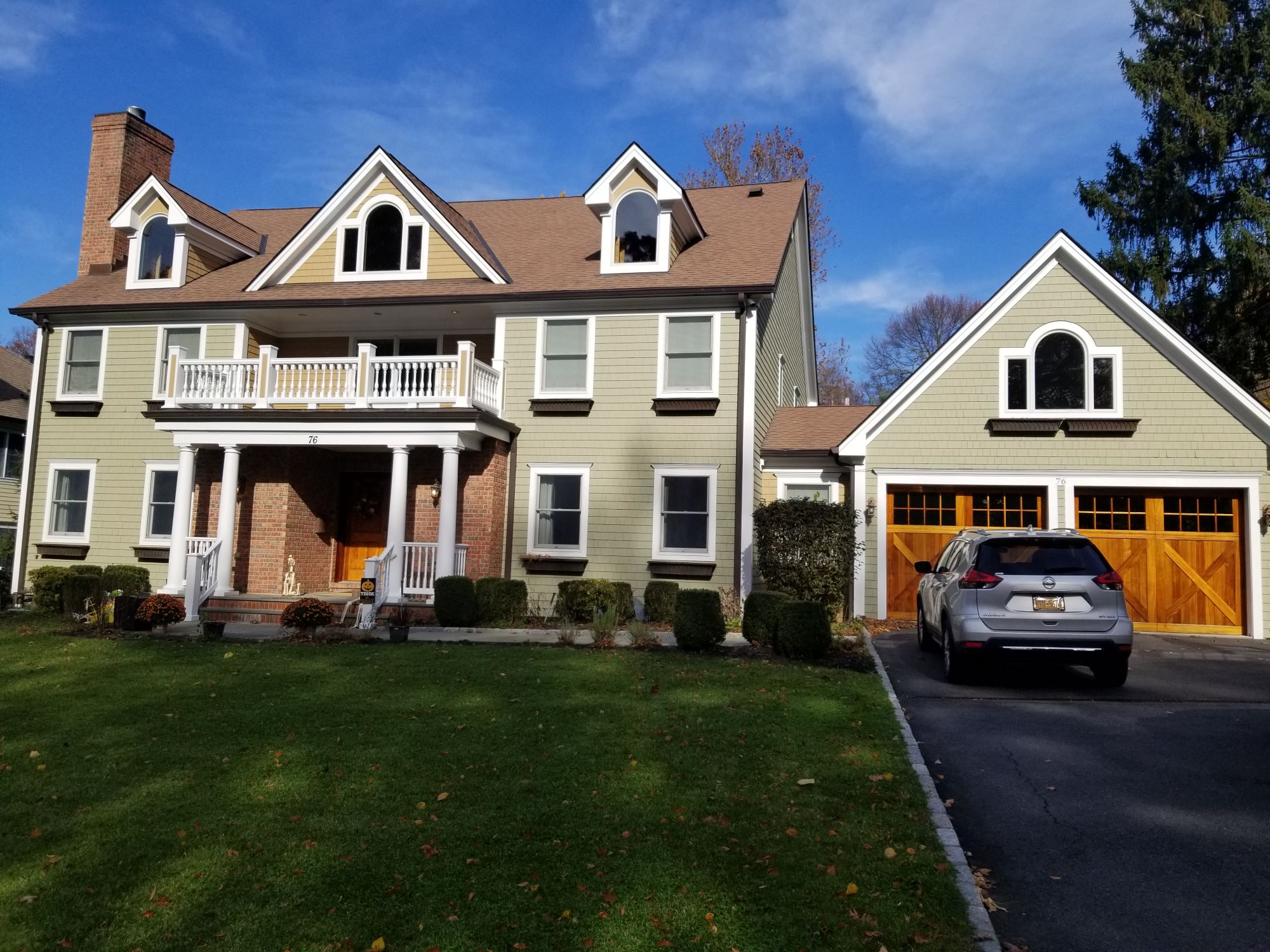
If you live in Westchester, you already know our four distinct seasons can be tough on siding and trim. The short answer is that most homes here need new paint on a steady cycle, shaped by material, exposure, and how well the last job was prepared. When the time comes, scheduling professional exterior painting helps protect your home before small issues turn into bigger ones.
The Short Answer For Westchester Homes
There is no one-size-fits-all timeline, but these ranges reflect what many Westchester homeowners experience with a pro finish and good prep:
- Wood clapboard or shingles: typically 5 to 7 years
- Fiber cement (like Hardie): about 10 to 15 years
- Stucco: often 7 to 10 years
- Aluminum siding: around 5 to 10 years
- Previously painted brick: about 10 to 15 years
- Transparent or semi-transparent stain on wood: usually 3 to 5 years
These ranges tighten if your home faces full sun, sits near salty or high-traffic roads, or has shaded sides that stay damp after storms.
Why Westchester Weather Speeds Up Wear
Our county sits between the Hudson River and Long Island Sound. That means big temperature swings, nor’easter winds, and humid summers. Freeze and thaw cycles open small gaps in wood and caulk. Summer sun bakes south and west facades, which can make dark colors fade faster. Along treelined streets in Scarsdale, Bronxville, and Larchmont, shade and moisture invite mildew and leave paint damp longer after rain. Add winter road splash on homes near busy corridors in Yonkers or White Plains and you get a steady test for any coating.
Signals It Is Time To Repaint
Your exterior will tell you when protection is slipping. Do a slow walk-around after a rain and again on a dry, sunny day. Look and feel for these warning signs:
- Peeling, curling, or flaking edges on boards or trim
- Powdery “chalk” on your fingers after you rub the paint
- Hairline cracks in stucco or spider-web “alligatoring” in old paint
- Dark streaks or blotches from mildew on shaded sides
- Dried, split, or missing caulk at windows, doors, and joints
- Exposed wood, soft spots, or water stains at sills and trim ends
Do not ignore peeling and exposed wood. Once water gets in, the substrate breaks down faster and repainting becomes a repair job. Catching wear early makes the next coat last longer and look cleaner.
Material And Age Matter
What your home is made of and how old it is both affect repaint cycles in Westchester:
Wood siding is classic, but it moves with the seasons. Flexible coatings with the right primer help it handle swelling and shrinkage. Homes with cedar in river towns like Tarrytown or Dobbs Ferry may show tannin bleed if knots and raw areas are not sealed first. Fiber cement holds paint well and usually enjoys longer intervals, yet end cuts and joints still need careful priming and caulking. Stucco can hairline crack as foundations settle or temperature shifts stack up. Treating those areas before repainting keeps stains and moisture from creeping back. If your stucco needs more help, see how pro stucco repair and painting supports a finish that lasts.
Color, Sheen, And Exposure
Color choice can add or subtract years. Dark hues absorb heat and stress coatings on south and west walls in sunny neighborhoods from Rye to Armonk. Lighter neutrals reflect heat and hide small surface waves better. On trim, a satin or semi-gloss film sheds water and dirt more easily than flat. For siding, many Westchester homeowners choose a low-luster sheen to balance washability with a refined look.
Think twice before choosing very dark colors on sun-baked sides. The extra heat can speed up fading and surface movement, especially on older wood.
Best Timing For Repainting In Westchester
While pros can paint most months with the right products and temperatures, late spring through early fall usually offers the best “weather window.” You want stretches with steady or rising temperatures and surfaces that dry fast after washing or rain. Autumn can be great for calm, crisp days in Pleasantville or Chappaqua. In early spring, plan around showers and cool nights so coatings can cure properly.
Good contractors also schedule by exposure. They might start on the east side in the morning while it is shaded, then move to the west side after it cools in the afternoon. That rhythm helps keep edges sharp and sheen even.
Local tip: Late winter freeze and thaw in Westchester can pop open small gaps at joints and sills. A quick spring evaluation with a pro catches early failures before summer sun bakes them in.
Safety note: Homes built before 1978 may require lead-safe practices. Hire a trained crew that contains dust and cleans up thoroughly.
How Prep And Repairs Extend Paint Lifespan
The lifespan ranges above assume proper prep. That means cleaning, letting surfaces dry, removing loose paint, feather-sanding edges, priming bare and glossy spots, and resetting failed caulk. Solid prep helps coatings grip evenly so future weather has a harder time prying anything loose. If you want a plain-English walkthrough, our article on the exterior painting prep checklist for westchester homes breaks down why each step matters in our climate.
Never paint over active moisture problems. Trapped water can push bubbles under the film and stain through your new coat. A quick fix now prevents headaches later.
Neighborhood Realities Across Westchester
Different pockets of the county test paint in different ways. Sound Shore towns like Mamaroneck and Larchmont tend to be humid and breezy. Along the river in Sleepy Hollow and Hastings-on-Hudson, wind can drive rain into west-facing walls. In hilly parts of Mount Kisco and Katonah, shade stretches dry times on north and east sides. Mature trees across Scarsdale and Bronxville drip organic matter that feeds mildew on paint. Knowing these micro-conditions helps set a repaint cycle that fits your block, not just a generic timeline.
Maintenance That Stretches Years Between Repaints
You do not need to redo your exterior at the first scuff. Light, regular maintenance done by a pro keeps surfaces clean and seals out water so coatings live longer. Two highlights:
- Gentle washing removes chalk, pollen, and mildew that break down paint films. Avoid harsh methods. The goal is clean and intact, not stripped.
- Targeted touch-ups and fresh caulk at open joints stop water before it reaches the substrate.
If you are unsure where your home stands on the timeline, start at the source. Explore exterior painting westchester to see how All Painting Corp approaches materials, exposure, and prep across the county. From White Plains condos to historic colonials in Bronxville, the right system matters more than any single brand of paint.
What If Only Parts Of The House Look Tired?
It is common for certain sides or trim to fail faster. South and west exposures fade and chalk more. Bottom trim and window sills collect standing water. Porch columns and railings take daily wear. A professional assessment can prioritize the most vulnerable zones first while keeping color and sheen consistent across the whole exterior.
Address peeling exterior paint repair before full failure. Stabilizing the surface, sealing repairs, and reestablishing a weather-tight seal buys time and saves surrounding areas from damage.
How Often Should You Repaint If You Plan To Sell?
A fresh, well-executed paint job is one of the fastest ways to improve curb appeal in Westchester’s tight real estate markets. If your listing is six to twelve months out, repainting key elevations and trim makes photos pop and helps inspections go smoother. Buyers notice crisp edges, uniform sheen, and clean caulk lines. Even if the rest of the house can wait a year, tightening up the first impression pays off.
Your Next Step
If your last repaint is pushing past its window or you see the early signs above, it is time for a professional look. Reach out to All Painting Corp to schedule a quick exterior check and get a plan that fits your home, your timing, and Westchester weather. You can read more about process and options on our exterior painting page, then call 914-830-4167 to lock in a weather window that works for you.